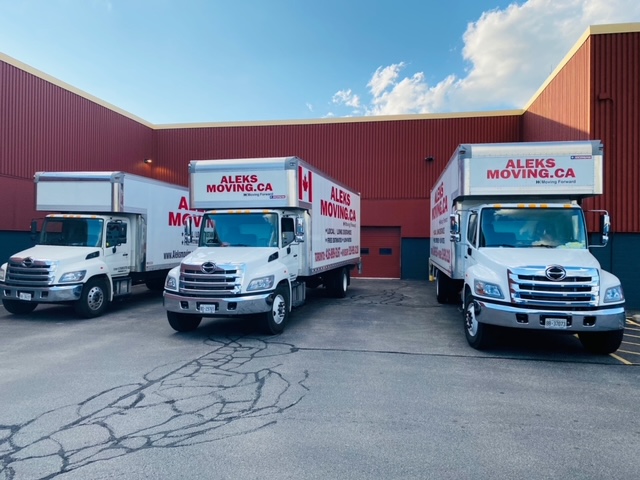
Relocating an estate or a corporate office within the Greater Toronto Area involves more than just transporting cargo from point A to point B. It requires solving a complex spatial and mathematical puzzle. Success depends on navigating tight high-rise elevator windows, managing strict municipal parking bylaws, and keeping transit times efficient amid heavy city traffic.
For property owners and operations managers alike, a seamless transition requires an optimized approach to logistics. Working with experiencedToronto movers who understand these unique regional variables is the best way to prevent unexpected delays, eliminate hidden costs, and protect valuable assets throughout the process.
1. Navigating Urban Infrastructure Constraints
Relocating within a dense metropolitan landscape requires strict adherence to building-specific rules and city regulations. Failing to plan for these factors can lead to costly delays or logistical gridlock.
Vertical Logistics: High-rise condominiums and commercial office towers across the city enforce strict, non-negotiable elevator booking blocks—often limited to 2 to 3 hours. Crews must pack and stage items strategically to maximize every trip up and down.
Bylaw Compliance: Parking a large commercial moving truck downtown requires careful coordination. Experienced teams map out dedicated loading zones or arrange for temporal permits ahead of time to avoid blocking traffic lanes and prevent expensive city tickets.
Spatial Navigation: Moving oversized furniture through narrow corridors, angular stairwells, and low-clearance underground loading bays requires specialized handling equipment, heavy-duty padding, and professional lifting techniques.
2. Advanced Technical Logistics & Asset Safety
A secure relocation relies on structured, sequential phases. Treating packing and transport as a precise technical process ensures that everything arrives at its destination safely.
Inventory Analysis & Weight Estimation
Before any boxes are packed, a detailed inventory assessment determines the exact volume, weight, and fragility of your items. This step allows the team to deploy the right vehicle size, bring the correct amount of wrap, and plan exactly how to stack the truck safely to keep the load stable during transit.
Structural Packing & Surface Protection
Standard retail boxes often buckle under vertical pressure inside a moving truck. High-quality relocations utilize double-walled corrugated boxes, heavy-duty stretch wrap, and thick furniture blankets. This structural protection absorbs the natural vibrations of travel and safeguards delicate surfaces from scratches or friction.
Precision Furniture Handling
Large, awkward items—like sectional couches, boardroom tables, and complex desk networks—should be carefully disassembled before loading. This maximizes space in the truck and lowers the cargo's center of gravity. Keeping hardware organized in labeled containers ensures fast, accurate reassembly at the new location.
3. Commercial Continuity & Workplace Transitions
For corporate relocations, the primary metric of success is minimizing operational downtime. Moving a business efficiently requires a highly coordinated strategy that separates physical asset transit from daily employee responsibilities.
Relocation PhaseOperational ObjectiveKey Action ItemPre-Move MappingOrganized asset trackingCreate a detailed floor-plan layout for the new workspace before packing.IT & InfrastructureData security & uptimePack sensitive servers, network gear, and workstations in specialized anti-static wrap.Off-Peak DeploymentZero daily disruptionSchedule the physical transport during weekends or night hours to protect business hours.Sequential UnpackingImmediate workplace utilityUnload and assemble critical client-facing departments first to get teams back online fast.
4. Financial Predictability: Eliminating the Variable Cost Trap
Hourly moving contracts can introduce financial uncertainty for consumers and corporate planners. Unpredictable traffic delays on major routes like the DVP or Highway 401, unexpected wait times for service elevators, or complex multi-stage loading processes can cause initial hourly estimates to skyrocket by the end of the day.
Opting for a guaranteed flat firm rate removes this financial risk. A fixed-price model ensures that the written quote provided during your initial assessment remains completely unchanged on delivery day. This clear pricing framework allows families and businesses to budget for their move with total confidence, free from surprise surcharges or hidden fees.
Frequently Asked Questions
What services do professional Toronto movers provide for residential and commercial relocations?
Professional moving companies offer comprehensive relocation systems designed to handle every stage of a move. These core services include supplying commercial-grade packing materials, professional packing and unpacking, furniture disassembly and reassembly, specialized appliance transport, and cross-dock loading. For corporate clients, commercial moving specialists handle the secure transport of sensitive IT infrastructure and systematic office configurations, while residential teams specialize in navigating high-rise condo constraints and narrow urban floor plans.
How do guaranteed flat-rate moving fees protect customers from unexpected costs?
A guaranteed flat firm rate protects consumers from the price volatility common in hourly contracts. Variable hourly rates can increase unexpectedly due to heavy traffic delays, long walks to loading docks, or waiting for building management to clear service elevators. A flat-rate quote establishes a fixed price based on the actual inventory volume and logistical complexity, ensuring no hidden fees, fuel surcharges, or surprise delivery fees are added to the final invoice.
Why is hiring a licensed and fully insured moving company critical in Ontario?
Hiring a licensed, bonded, and fully insured moving team establishes legal accountability and provides necessary financial protection for your physical assets. Moving large volumes of heavy furniture through public spaces involves inherent risks to both the personal property and the building structures. A fully covered company assumes full liability for the transit window, ensuring that any accidental structural damage or property loss is completely covered, giving families and businesses complete peace of mind.
How can businesses minimize operational downtime during an office move in the GTA?
Commercial enterprises can maintain operational continuity by organizing their moves into off-peak windows, such as weekends or late evenings. This strategy prevents the move from interfering with standard client-facing business hours. Successful commercial moves rely on detailed floor-plan mapping at the new location, color-coded labeling systems for quick department placement, and a dedicated team prioritizing the setup of critical IT systems so employees can return to work immediately.
What are the benefits of choosing a locally owned, family-operated moving company?
Locally owned and family-operated moving businesses like Aleks Moving deliver a high level of accountability, personalized care, and deep localized knowledge. With over 19 years of practical industry experience navigating the specific traffic patterns, residential parking restrictions, and building codes throughout Southern Ontario, a local team can easily anticipate regional challenges. This focused expertise ensures a smooth, highly reliable moving experience tailored directly to the unique needs of the local community.